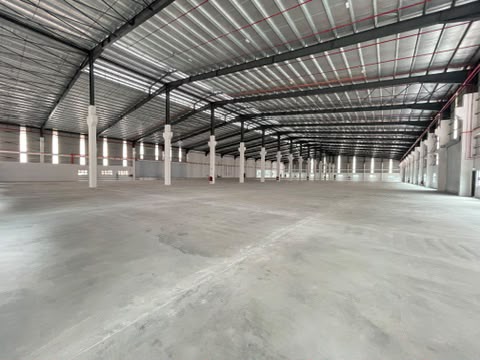
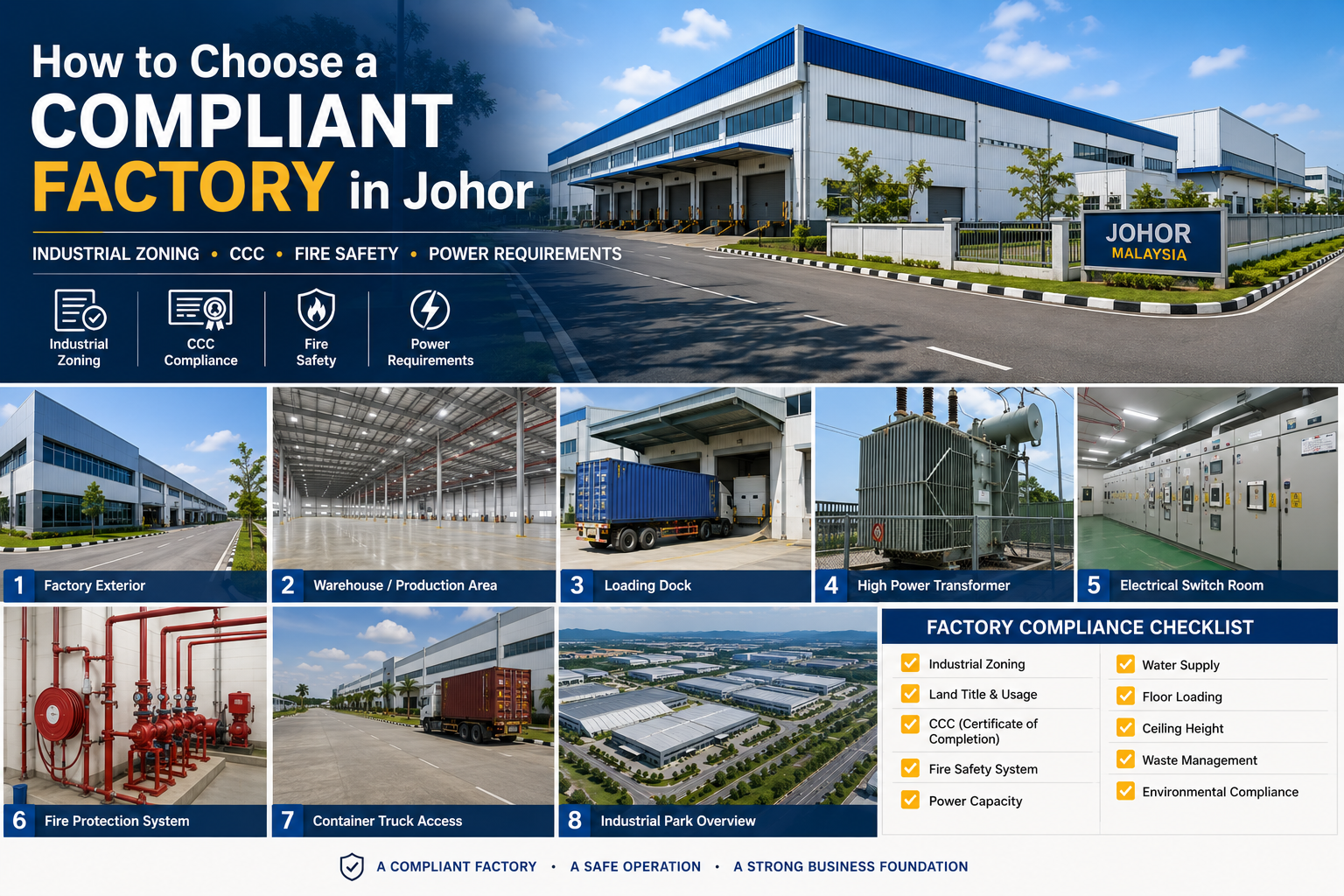
How to Choose a Compliant Factory in Johor: Industrial Zoning, CCC, Fire Safety and Power Requirements
Introduction
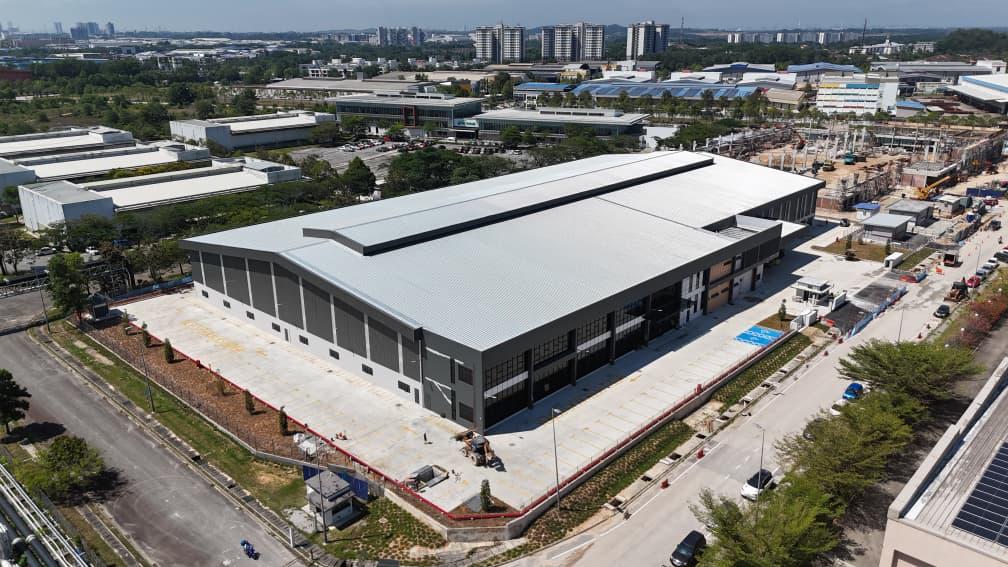
Choosing the right factory in Johor involves much more than comparing rental prices or building sizes. A factory that appears suitable on paper may still face operational challenges if its zoning, approvals, utilities or infrastructure do not match your manufacturing requirements.
For companies planning to establish or expand operations in Malaysia, understanding factory compliance is essential. Proper due diligence helps reduce project delays, avoids unexpected costs and ensures that production can begin as scheduled.
This guide explains the most important compliance factors every manufacturer should evaluate before renting, purchasing or developing an industrial property in Johor.
1. Confirm the Industrial Zoning
The first step is to verify that the property is located within an approved industrial zone and that the intended manufacturing activity is compatible with the land use.
Depending on the location, factories may be suitable for:
- Light Industry
- Medium Industry
- Heavy Industry
- Warehousing & Logistics
- High Technology Manufacturing
A factory that is appropriate for logistics operations may not necessarily be suitable for chemical processing or heavy manufacturing.
Before signing any tenancy or sale agreement, buyers should confirm the zoning classification with the relevant authorities and ensure it matches their operational requirements.
2. Verify the Land Title and Usage
Besides zoning, investors should review the property’s land title.
Important items include:
- Industrial land title
- Leasehold or Freehold status
- Existing land conditions
- Easements or restrictions
- Access rights
- Future development limitations
Understanding these factors helps avoid legal or operational issues after acquisition.
3. Check the Certificate of Completion and Compliance (CCC)
One of the most important documents is the Certificate of Completion and Compliance (CCC).
A valid CCC confirms that the building has been completed according to approved plans and complies with the applicable building regulations.
Before occupying a factory, manufacturers should confirm:
- The building has a valid CCC.
- The approved building plans match the current structure.
- Any extensions or renovations have received the necessary approvals.
Using a factory without proper approvals may create unnecessary operational risks.
4. Review Fire Safety Systems
Fire protection is especially important for manufacturers handling machinery, chemicals, packaging materials or high-value inventory.
The factory should include suitable fire safety measures such as:
- Fire hydrants
- Hose reels
- Fire extinguishers
- Fire alarm systems
- Emergency exits
- Smoke detection systems
- Sprinkler systems (where applicable)
Companies should also verify that the fire protection system is appropriate for their intended manufacturing process and complies with local requirements.
5. Evaluate Electrical Capacity
Electrical supply is one of the first technical questions international manufacturers ask.
Before selecting a factory, confirm:
- Existing electrical capacity (Amp)
- Maximum upgrade potential
- Estimated upgrade timeline
- Estimated upgrade cost
- Transformer availability
- Backup power requirements
Factories designed for electronics, semiconductor, food processing or precision engineering often require significantly higher electrical capacity than standard warehouses.
Planning for future expansion is just as important as meeting current production needs.
6. Consider Building Specifications
Besides compliance documents, manufacturers should carefully review the physical characteristics of the property.
Important specifications include:
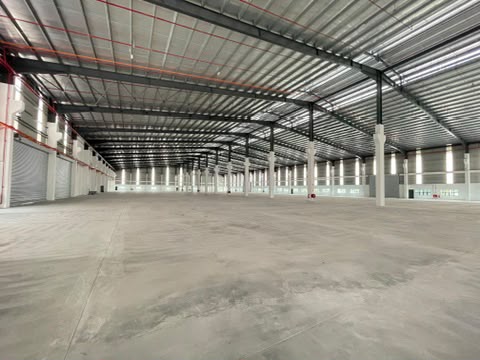
- Clear ceiling height
- Floor loading capacity
- Column spacing
- Roller shutter dimensions
- Loading docks
- Container truck accessibility
- Yard space
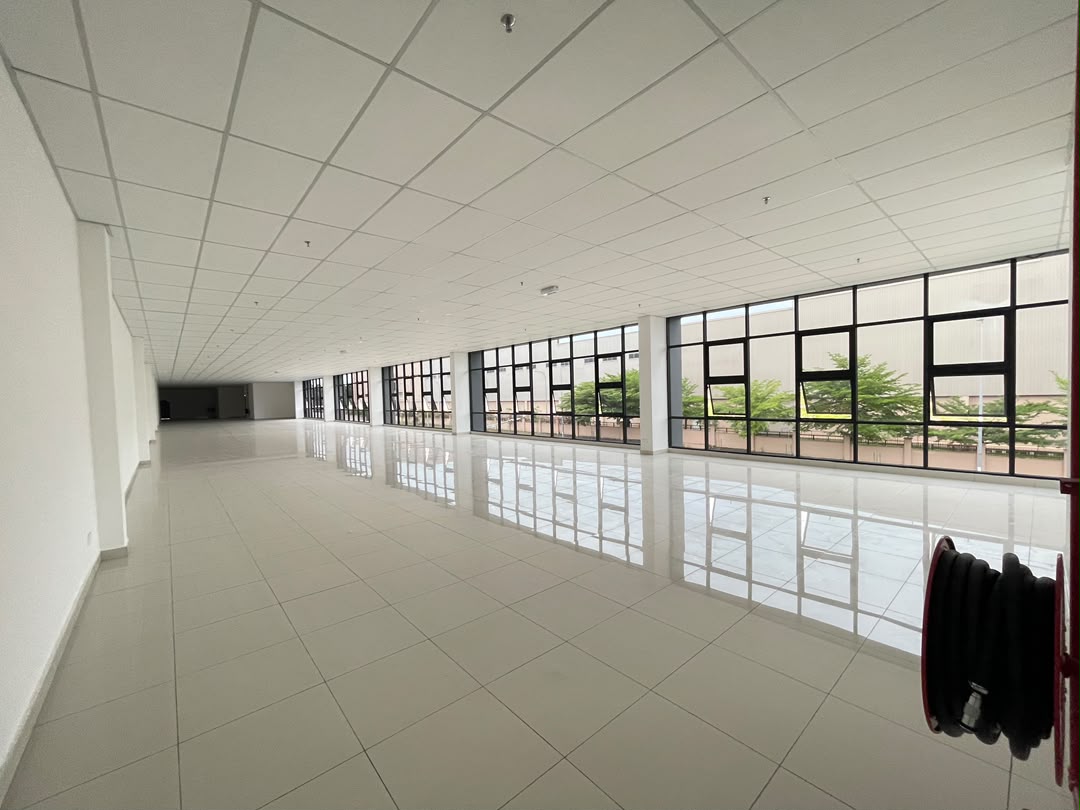
- Office area
- Worker facilities
These factors directly affect operational efficiency and future production expansion.
7. Utilities and Infrastructure
Reliable infrastructure is essential for continuous manufacturing operations.
Before committing to a property, confirm:
- Water supply
- Drainage system
- Telecommunications
- Internet connectivity
- Road accessibility
- Distance to ports
- Distance to airports
- Public transport availability
Factories located within established industrial parks often provide stronger supporting infrastructure.
8. Environmental and Regulatory Considerations
Certain manufacturing industries may require additional approvals depending on the production process.
Companies should evaluate:
- Environmental requirements
- Waste management
- Noise control
- Chemical storage requirements
- Air emission controls
- Local authority requirements
Planning these matters early helps minimise delays during factory setup.
9. Ready-Built Factory or Built-to-Suit?
Every business has different operational requirements.
Ready-Built Factory
Suitable for companies that need to begin operations quickly.
Advantages include:
- Faster occupancy
- Lower initial capital expenditure
- Reduced construction risk
Built-to-Suit (BTS)
Ideal for manufacturers requiring customised production layouts.
Benefits include:
- Higher operational efficiency
- Tailored electrical capacity
- Optimised production flow
- Future expansion planning
Choosing the right option depends on production requirements, investment budget and long-term business strategy.
Why Work with an Industrial Property Specialist?
Industrial property transactions require technical knowledge beyond traditional real estate.
An experienced industrial property consultant can assist with:
- Factory selection
- Site comparison
- Compliance review
- Power capacity assessment
- Built-to-Suit planning
- Rental negotiation
- Industrial land sourcing
- Expansion strategy
Professional guidance helps businesses reduce risks and make informed investment decisions.
Frequently Asked Questions
Can foreign companies rent factories in Johor?
Yes. Foreign-owned companies can lease industrial properties in Malaysia, subject to applicable regulations and lease agreements.
Is a CCC important before renting a factory?
Yes. A valid Certificate of Completion and Compliance helps confirm that the building has been completed according to approved plans and is suitable for occupation.
What electrical capacity should manufacturers consider?
The required capacity depends on the production process. Businesses should evaluate both current operational needs and future expansion plans before selecting a property.
Should I rent, buy or build a factory?
Companies seeking immediate production often choose ready-built factories, while businesses with specialised manufacturing requirements may benefit from purchasing industrial land or developing a Built-to-Suit facility.
Conclusion
Johor continues to attract manufacturers from around the world because of its strategic location, modern infrastructure and growing industrial ecosystem.
However, choosing the right factory requires more than finding an attractive rental rate. Industrial zoning, land title, CCC, fire safety systems, electrical capacity and future expansion potential all play critical roles in ensuring a successful manufacturing operation.
By carrying out proper due diligence before signing any agreement, businesses can reduce operational risks, shorten project timelines and establish a strong foundation for long-term growth in Malaysia.
Whether you are searching for a factory for rent, industrial land or a Built-to-Suit solution, working with an experienced industrial property specialist can help ensure that your investment aligns with your operational objectives.
Pls call/whatsapp Tom 012-7622 769 more info
Email: tomchiew82@gmail.com